ACCD launches Streamlined Watershed Planning Tool and hosts first Flowing Forward event to advance regional action
Press Release
PITTSBURGH, PA — As communities across Allegheny County continue to face heavy rainfall, flooding and severe storms, Allegheny County Conservation District (ACCD) is launching a Streamlined Watershed Planning Tool to help communities identify and advance projects that will reduce flooding, restore waterways, protect drinking water, and improve wildlife habitat.
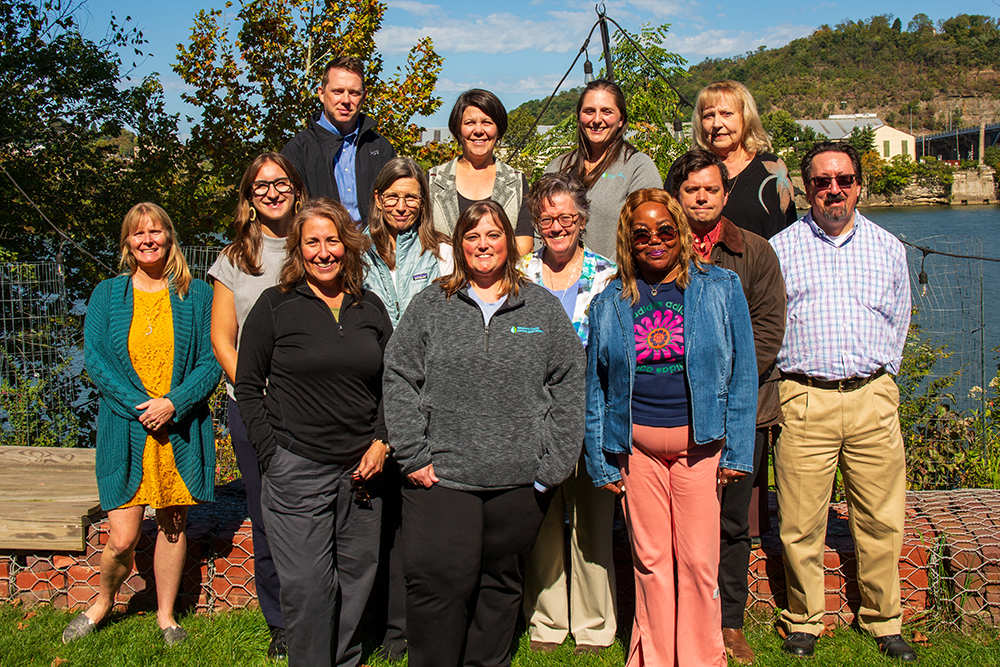
Photo: The event featured regional leaders in water conservation hosted at Tree Pittsburgh in Pittsburgh, Pennsylvania.
The new tool was highlighted at ACCD’s first Flowing Forward: Regional Approaches to Healthy Watersheds on Oct. 7, 2026, where municipal leaders, nonprofit partners and watershed professionals came together to share approaches and identify opportunities for coordinated regional action.
The event comes as Pittsburgh experiences another year of significant rainfall. According to the National Weather Service, Pittsburgh received 38.65 inches of rain through the end of September, approximately 25 percent above the 1991–2020 average and just 1 inch from reaching its annual precipitation total.
Communities facing flooding, erosion, and stormwater runoff often need assistance to see how individual problems connect across an entire watershed, followed by resources to address those problems. Because water crosses municipal lines, so do solutions, and identifying where investments matter most can be difficult.
ACCD’s Streamlined Watershed Planning Tool helps communities do that. ACCD works with municipal leaders and community members to identify local problem areas, then combines that input with environmental data to create an interactive map of priority projects. The tool helps communities see where projects could have the greatest impact in reducing flooding and addressing other water quality and watershed concerns.
"Water doesn't respect municipal boundaries, and neither do the challenges our neighbors face," says Heather Manzo, ACCD Executive Director. "We bring communities, funding, and technical expertise together to turn planning into action because that’s where transformational change happens.”
ACCD has completed the streamlined planning process in four watersheds: Plum Creek, Long Run, Fallen Timber Run and Pollack Run, covering approximately 120 square miles of the county. Seven projects identified through the planning process are now moving into implementation.

Photo: Tom Batroney, HDR Inc.; Amy Miller, ACCD; and An Lewis, Steel Rivers Council of Governments, discuss water concerns across the region.
Those projects include slope stabilization, stream stabilization, and native plantings. Over the past year, the watershed planning work has also helped secure and pursue approximately $950,000 in state and federal funding for planning and project implementation. ACCD has also implemented $5.9 million in watershed improvements through farm and road infrastructure projects since 1998.
For example, in Oakmont Borough, the tool supported the ongoing restoration of Dark Hollow Woods, a 40-acre forest facing erosion, flooding, invasive species, and tree loss.
“ACCD’s Watershed Planning Tool provided the Dark Hollow Woods Committee with valuable information about the impairments affecting Plum Creek and the sources contributing to those impairments. We used the tool as a guide in planning and implementing repairs to the riparian buffer, helping to ensure that our restoration efforts were informed by watershed-specific data and conditions,” says Phyllis J. Anderson, Oakmont Borough Assistant Manager. “All this work will provide long-term benefits to Oakmont residents and the broader community by helping to manage stormwater, reduce erosion, and protect the health and resilience of Oakmont’s natural resources.”
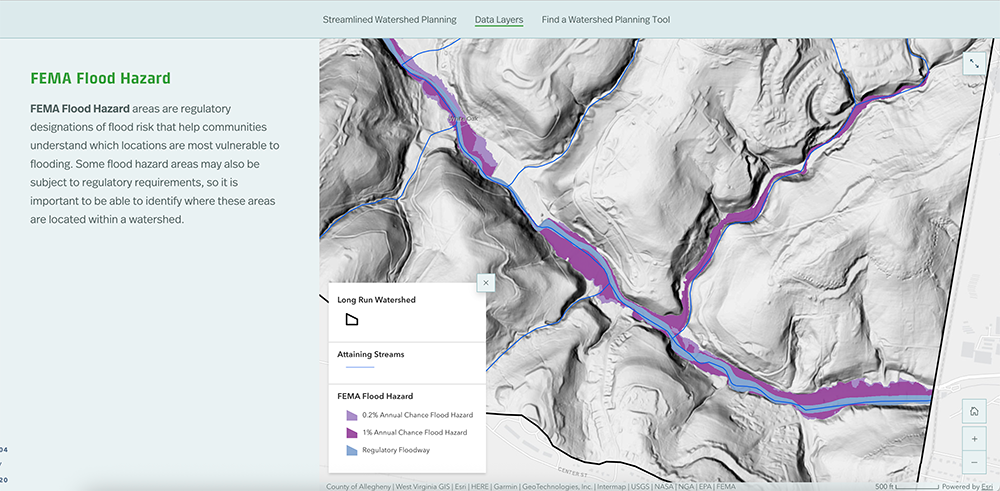
The tool is available online, allowing users to select a watershed and explore different data layers, such as stream impairments, flood zones, tree canopy and more, to better understand local conditions and identify areas of concern.
ACCD plans to expand the Streamlined Watershed Planning approach to additional watersheds throughout Allegheny County.

Photo: Ellen Kohler, Water Center at the University of Pennsylvania, and Joel Perkovich, Alllegheny County Parks Department, discuss project implementation and funding.
Ezra Jones Photography