ACCD's commitment to clean water and soil has stood the test of time.
Since the first conservation district was formed in 1937, this national network has worked locally on the ground to improve communities across the country. For 80 years, ACCD has acted as the trusted soil and water conservation partner in Allegheny County.
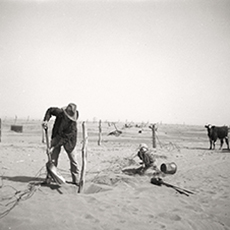 1935
1935
Forged in Response to a Manmade Ecological Disaster
ACCD is a part of a national network forged over 90 years ago as part of a federal response to the largest man-made ecological disaster the United States had ever experienced. The Dust Bowl of the 1930’s was caused by unsustainable farming practices that led to massive erosion of critical top soils across America’s heartland. This caused a mass migration event of over 3 million Americans, economic hardship, and environmental depletion that took well over a decade to recover
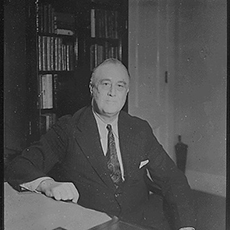 1937
1937
A Matter of National Security
The Dust Bowl elevated conservation of natural resources to a matter of national security with the federal government, leading to the creation of a network of conservation districts across the country.
 1945
1945
Pennsylvania's First Conservation District PA's first conservation districts were formed under the State Conservation District Law - Act 217 to provide for the conservation of the soil, water, and related resources of the Commonwealth. Potter County was the first district formed in the state.
 1946
1946
Creation of the Allegheny County Conservation District The Allegheny County Soil Conservation District was formed on March 5, 1946, via a county resolution. The first meeting of the newly formed district was held on July 9th.
 1979
1979
Modernizing Conservation Districts The state recognized districts’ abilities to deliver conservation programs locally and delegated responsibility for certain programs, such as: Erosion & Sediment Pollution Control, Dam Safety & Waterway Management, Watershed Specialist support, Nutrient Management and Dirt and Gravel Roads Program.
 2026
2026
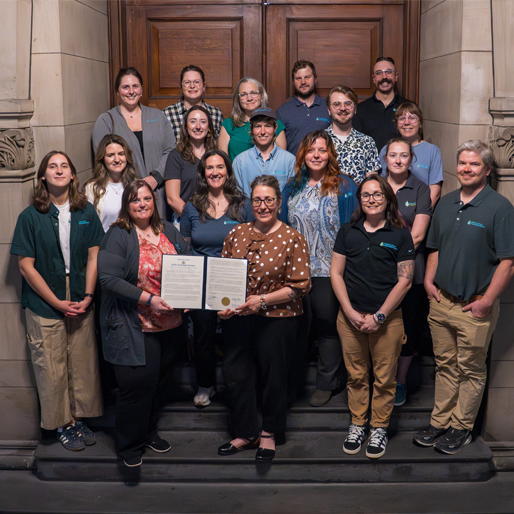
80 Years of Critical Conservation WorkCurrently, ACCD leads robust programs designed for urban and rural agriculture; stewards improvements to watersheds and key infrastructure; facilitates trainings; provides access to funding; educates professionals, public representatives and the general public; and acts as the state permitting authority for four PA clean water laws.
Get Assistance
ACCD provides technical assistance to improve water and soil resources throughout the region.